Bullying: the ultimate support guide for parents
Welcome to Kids Helpline’s directory for parents supporting a child or teen through bullying and cyberbullying.
This article will cover in-the-moment responses to stop bullying in it's tracks, strategies to protect your child's mental health, services that can support you and your child, and a Q&A with Kids Helpline counsellors.
This content is made possible thanks to fundraising by Charlotte's Wish.

My child is being bullied
It’s really upsetting to see your child hurt and struggle. It’s ok to feel angry, helpless or at a loss.
The relationship between you and your child is the most important thing. Focus on connecting with your child, listening to them and their experiences, and letting them know that their feelings are important.
These resources for kids are a great starting point for you to explore together.
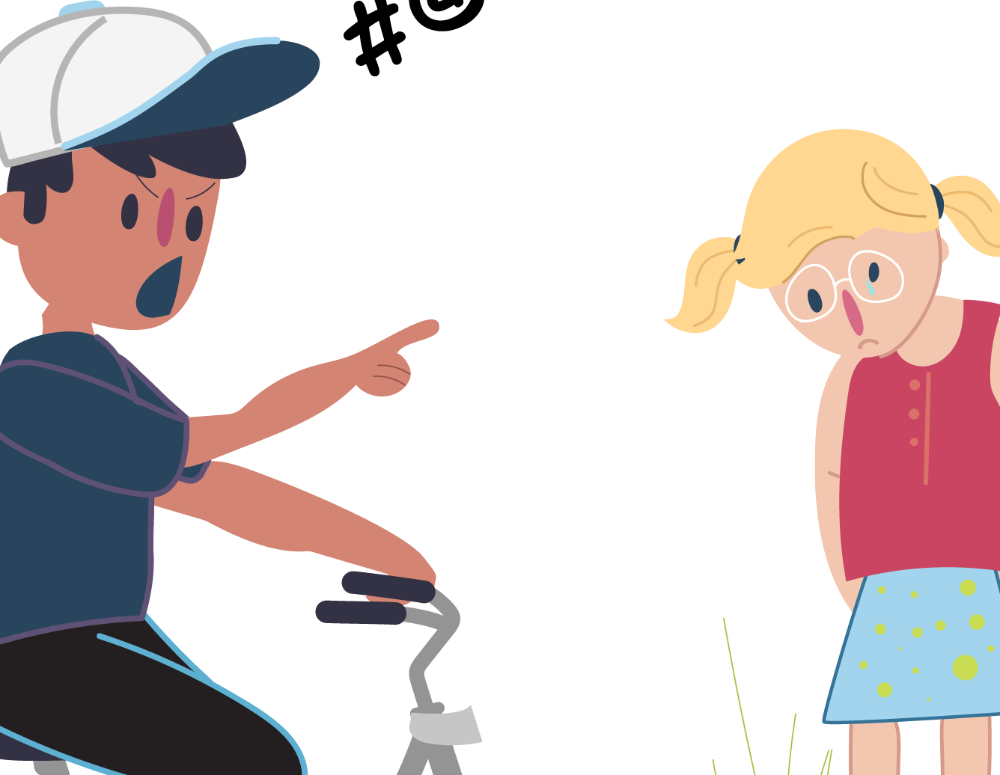
About bullying for kids
Simple bullying strategies for primary school aged children.
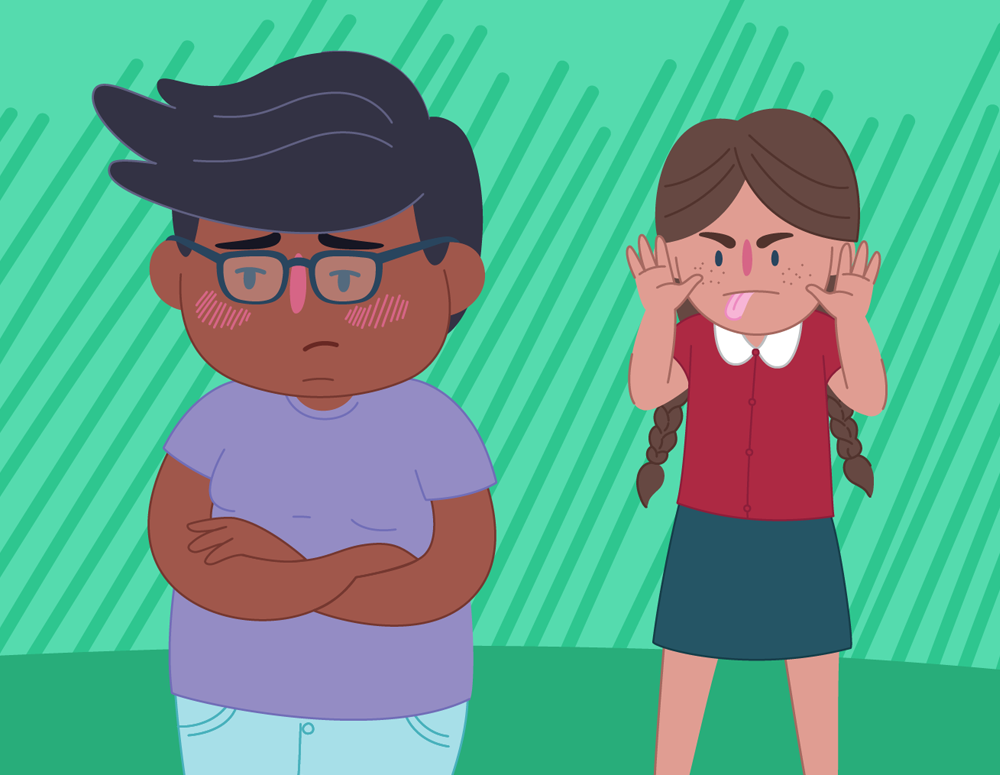
How to tell if it's bullying or not
How to tell the difference between mean behaviour, conflict and bullying.
About cyberbullying
What to do if you're experiencing bullying online.
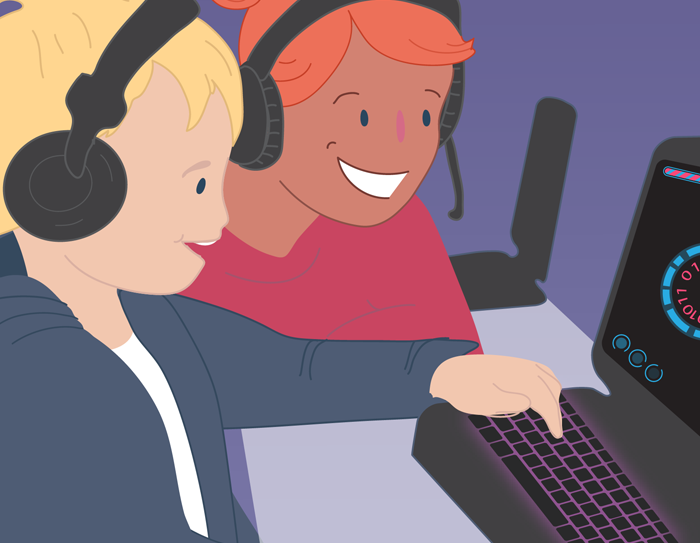
Bullying in online gaming
How to handle other players being mean to you while gaming.
Supporting a child who is being bullied
Dealing with bullying is two-fold; you want to find ways to respond to and stop the bullying, as well as build up your child’s resilience.
Here’s how kids can respond to bullying in-the-moment
- Teach your child to stay calm (even if it’s just on the outside) when people are mean to them, if possible. Getting angry or upset might be exactly what the kid/s bullying them want and makes it more likely they’ll do it again!
- Use this downloadable, printable guide to practice exactly what your child can say to mean comments by others.
- Encourage your child to remove themselves from the situation if the mean comments or behaviours continue.
- Report the bullying. If it’s happening at school, they can report it to a teacher. If it’s happening online, they can save the evidence and report it to the platform it’s happening on, and eSafety.
Here’s how to build your child’s emotional strength
- Help them learn more about themselves. Tough times can give us valuable insights into who we are. Get them to reflect on what they learned, what helps them cope, what they might do differently, and what they’re proud of.
- Help them be hopeful about the future. Focus on a future beyond the bullying where things can be good, and they can be happy.
- Help them view themselves positively. Remind them of other challenges they’ve overcome in the past. Praise the effort they put in and the ways they kept trying and didn’t give up.
- Help them connect with others. Practice skills like empathy and assertiveness. Explore ways they can make friends, such as making a fun suggestion about a game to join through play.
Finding out your teen is being bullied can be rough and supporting them can be tricky.
On the one hand, they’re still your baby and you want to protect them. Teens can be cruel, and you might have a burning desire to swoop in and intervene.
On the other hand, your child is changing. High school and puberty are an emotional rollercoaster. You might find your teen is suddenly secretive about what’s happening, doesn’t want you to get involved or rolls their eyes when you offer them advice. All of this is developmentally normal (but is still very challenging).
Start by educating yourself. Check out our articles on bullying at school, cyberbullying and bullying in online games.
Or keep scrolling for some general strategies.

Bullying responses for teens
Here’s what teens can say and do in-the-moment to shut down bullying.
If possible, try to teach your teen to view mean behaviour from others a little bit like a game. Games have rules, and gamifying the interaction can sometimes empower teens in their responses.
People who bully often want an emotional reaction. They want their target angry or upset. Your teen can 'win' the game by staying calm or neutral. By not giving those bullying others the reaction they want, it discourages the bullying.
Check out our teen guide to identify the type of bullying your teen is experiencing and the specific strategies they can use. Or scroll down for more general strategies.
Respond with humour
This is a clever way to ‘take back their power’. Talk through what those bullying them are saying and doing and use this as a blueprint to come up with a few witty responses together.
Act like they don’t care
Shrugging, acting nonchalant, or saying, “Yeah, whatever” is a way to act calm on the outside (and works well as a default for teens who find it hard to respond with humour).
Ask bystanders to intervene
In some cases, teaching your child to say, “Hey, <name of witness/friend> - back me up here!” can be a useful strategy when bullying constantly happens with an ‘audience’.
Report it!
Make sure your teen is talking to you, teachers and other trustworthy adults. And that they keep talking to them until the bullying stops for good (and that may take multiple attempts and some time, unfortunately!)
Mental health strategies for teens
These strategies can help develop your child’s resilience and improve their self-worth.
Perspective
When teens are bullied, they can feel like it’s their fault. Having perspective reduces feelings of blame and shame and helps them realise they're not the problem. It’s not their fault if they’re being bullied. People who bully are engaging in an inappropriate behaviour (and often go on to bully others too). “What’s going on for that person that they would lash out at others like that?”
Humour
Where appropriate, making the bullying behaviour humorous can take away some of its power. For instance, “I give that insult 2/10! It’s so obvious and lacking in creativity!” (Just be mindful to not minimise or dismiss the pain the bullying can cause).
Values
Help your child to be compassionate and the bigger person, rather than stooping down to their level. It’s tempting to ‘give them a taste of their own medicine’ but can be harmful for everyone involved. Being respectful to unkind people can build your child’s self-esteem and self-worth in the long run.
Strengths
Teens often feel not-good-enough, and bullying can feed into that (especially if it isolates your teen or targets things they’re sensitive about). Help your teen to identify their strengths and what they like about themselves as a person.
Supports
Don’t let your teen go it alone! Identify peers and friends who can help support them. Professional supports are important too – connect your child with a Kids Helpline counsellor to help them get expert coping strategies, and personalised support unique to them.
My child/teen has a friend being bullied
Bullying isn’t a personal problem – it's a social problem and we all have a responsibility to prevent and stop it.
When people witness bullying and don’t intervene (aka ‘bystanders’), it seems like they’re condoning it.
Research has shown that witnessing bullying and doing nothing is bad for the mental health of bystanders. Bystanders often don't intervene because they don't know what to do, so having a plan of things to say or do can really help.
If your teen’s friends are the ones who are doing the bullying, your teen has an opportunity to ‘call in’ (build empathy) - see some tips and tricks here.
And check this out to help your child support a friend with cyberbullying.
Upstander step-by-step guide
- Show disapproval, e.g. frown and shake your head.
- If you're feeling brave, you can call it out by saying something like, "We don't do that here."
- Give the person being bullied an excuse to leave, e.g. “The teacher is looking for you!”
- Support the person after the bullying. See how they’re feeling and let them know you’re not ok with what happened.
- Make a plan together of what you'll say/do if you see the bullying happening again.
- Report it to a teacher, or trustworthy adult.
Download a free upstander checklist here:
My child/teen is bullying others
It can be really confronting finding out your child is picking on others.
Bullying happens for lots of complex reasons. How to support your child and stop them bullying will depend on the underlying reasons why they’re bullying.
Here are some important things to know about kids/teens who bully.

They're engaging in 'social combat'
Bullying might be part of the 'culture', or something they do to try and fit in. Bullying others can be 'rewarding' in some ways. Sometimes it's seen as being entertaining/amusing (you can see this with siblings; they antagonise and rile each other up on purpose). It can also help friendship groups/cliques feel closer by judging and leaving out others. And in some cases, teens might not realise they’re crossing a line between banter and bullying; we’ve got a guide on that here.
Their behaviour is a warning sign
According to research, some kids/teens who bully may be struggling with personal issues. Kids/teens who bully might do so due to mental health issues, stress and trauma, low self-worth, or because they themselves have been bullied in the past. Kids/teens who bully may also have difficulties self-regulating their emotions, socialising/making friends, and empathising with others. The good news is that everyone can learn ways to manage their emotions, and improve their social skills!
They need help to change
Children/teens who bully are engaging in inappropriate behaviour. It’s important to take action to stop your child from bullying others. If this behaviour isn't addressed, they may repeat it in social situations throughout their life. This doesn't just harm those they target. If bullying behaviour becomes entrenched, it can harm your child's mental health, self-worth, long-term reputation and social relationships.
How can Kids Helpline help my child/teen with bullying?
Counselling
Our phone and webchat counselling is free, confidential and all our counsellors are tertiary qualified professionals. We support young people from ages 5 to 25 for any reason.
Peer support
Kids Helpline has a social media platform called My Circle that’s exempt from the under 16 restrictions and is safe, private anonymous and moderated. Bullying is a popular topic.
Info & self help
Let them know about our bullying resources. We also have a library of videos, and a free, mental health and wellbeing app, Qwibbl.
Schools
Kids Helpline has free educational lessons on bullying (run by counsellors), and bullying resources for primary and high schools Australia-wide. Let your school or teacher know about it!
Supporting a child/teen who is being bullied, or bullying others is a lot.
You deserve and can benefit from support – and getting support for yourself is a great way to role model help seeking for your children.
Bullying is complicated. You might be feeling stuck. The things you've tried might not be working. Getting professional support, from people with expertise in bullying can be very helpful. They can help you figure out the next steps based on the unique situation your child is in, the social dynamics around the bullying, and your child's strengths/personality.
Is bullying against the law?
Bullying can be illegal if it involves violence, threats, stalking, stealing or damaging property, or cyberbullying. Laws do vary across states and territories. Youth Law Australia provides more info.

Thank you to Charlotte's Wish for their fundraising and commitment to Kids Helpline, bullying prevention and intervention.