Understanding sexual assault
Sexual assault is never ok. In this article we focus on what it is and where you can get help and support.

Content Warning: this article contains violence and trauma related content that may be triggering or distressing.
Know what sexual assault is and where to get support
Sexual assault is any sort of sexual behaviour that you don’t agree to
- Sexual assault is when someone involves, forces, pressures or tricks you into taking part in any kind of sexual activity without your consent
- It can also be known as sexual violence
- Sexual assault isn’t always sex – it can also include touching, showing you pornography or watching you naked
- It can be done by a stranger, somebody you know or someone you love and trust
- Sexual assault is never ok - no matter who is doing it or what they do
- It’s against the law and is a serious crime
- If you have been affected by sexual assault then it’s really important to let someone know and get support as soon as you can
If you are in danger or worried about your safety, call 000 and ask for the Police.
What could sexual assault look like?
Keep in mind that if it makes you uncomfortable or scared then it’s not ok and you don’t have to go along with it no matter who is doing it. There are a range of things which can be called sexual assault, but here are some examples so that you can know what it looks like and get help if you need to:
- Showing you their genitals
- Forced sexual activity with a family member
- Being forced to watch or participate in porn
- Unwanted sexual comments, remarks or jokes towards you
- Forcing you to have sex with them - including oral sex
- Looking at or touching your private parts or genitals
- Making you touch their body in a sexual way when you don’t want to
- Stalking and watching you when you are naked or doing intimate things
- Taking off a condom before or during sex without your permission
- Taking pics/videos of you naked or partly naked without your permission
- Sending unwanted sexual comments or content to you online or through text
- Touching any part of your body in a sexual way when you don’t want them to
Sexual assault is a serious crime
It’s against the law for anyone to sexually assault you
- No one has the right to do sexual things with you without your consent
- Even if you are in a relationship with someone or married to them, they still need your consent to have sex or do sexual things with you
- If you did not freely agree to any sexual act, then you have not given consent and what has happened is against the law
- It’s against the law for someone to offer money, favours or gifts to try and get you to do sexual things that you do not want to do
- It’s against the law for someone to blackmail you, use physical force against you or threaten you or people you care about to get you to do something which makes you feel uncomfortable
- For more information on consent and your rights, visit 1800RESPECT and Lawstuff websites
They might try and make you believe that it’s ok or it’s your fault. Sexual assault is NEVER ok and is NEVER your fault. No one has the right to make you do something you don’t want to do. – Sky, Kids Helpline Counsellor
Being sexually assaulted can be a frightening and confusing experience
Being assaulted can have a big impact on your wellbeing. It’s normal for your body and mind to react in certain ways when you’ve been hurt. Remember, there is no right or wrong way to feel about sexual assault. Whatever you are feeling, it’s OK. It’s common to feel:
- Helpless or alone
- Mixed emotions
- Sad or depressed
- Restless or moody
- Anxious or fearful
- Like harming yourself
- Guilty or ashamed
- Unable to talk about it
- Angry or betrayed
- A loss of trust in others
- Shocked or physically ill
- Worried about your safety
- Unfocused or have flashbacks and nightmares
- Confused about your body's reaction
Things that may get in the way of getting help
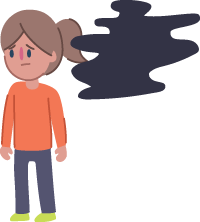
Hoping it will get better on its own
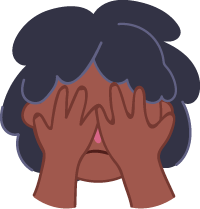
Feeling shame, guilt or blame
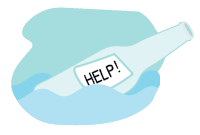
Feeling like nobody can help

Not knowing what might happen
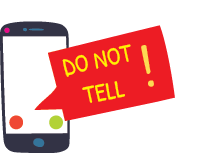
Being threatened not to tell anyone
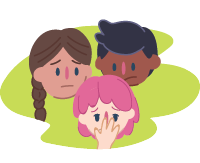
Not knowing who to trust and talk to
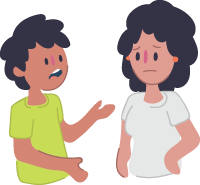
Worried about how someone might react
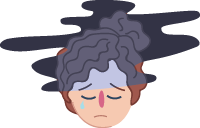
Scared that the abuse will get worse
You don’t have to go through this on your own. We’re here to support you. - Jackie, Kids Helpline Counsellor
If you don’t feel right about something that’s happened, it’s OK to reach out for help
It’s never too late to let someone know. It can be difficult to talk about but it’s important to get the support you deserve. Here’s what you can do:
Make sure you’re safe – If you’re worried about your safety or you’re in danger call 000 and ask for the Police.
Get medical support – It’s important to get medical care as soon as you can - especially if you’re hurt or concerned about pregnancy or sexually transmitted infections. Visit your doctor, local hospital or health centre for support.
Make a report – You can report sexual assault to your local police service. They’ll work with you to help keep you and others safe.
Talk to a sexual assault service – Like 1800RESPECT or Bravehearts Support Line. They can provide you with specialised counselling, support and information.
Talk to someone you trust – It could be a family member, friend, counsellor, doctor or police.
Write it down – If it’s too difficult or upsetting to say out loud you could try telling someone in a letter or email.
Don’t give up – If you speak to someone who doesn’t want to help or is too shocked to help, keep doing so until someone listens and offers to help you.
Call Kids Helpline – We’re here for you. We’ll listen, believe you and help you to work through this.


This content was last reviewed