When someone dies by suicide
Losing someone we love is a painful time. Losing someone to suicide can feel even more devastating, but you’re not alone.

Content Warning: this article contains information about mental health which may be distressing or triggering.
Grief and loss after a suicide
Grief after a suicide can be particularly difficult and it can feel different to other types of losses.
It's important to know that there's no right or wrong way to grieve and that there is no set timeline. We all handle loss differently.
Unique challenges that families can face after a suicide can include:
- Fear of judgement or stigma: Many families can find it difficult to be open about the way their loved one died. Working on accepting this yourself can help ease this fear.
- Powerful and conflicting feelings: We can feel like we’re on an emotional rollercoaster – all feelings are natural and there are no wrong feelings.
- Unanswered questions of why: Sometimes families do not know why their loved one chose to end their life and must work to find ways to accept this.
- Complicated grief: Grief is usually something that ends naturally but a suicide may complicate the grieving process, causing it to last longer and feel more intense.
If you're feeling overwhelmed or unable to cope, it may be a good idea to seek counselling support.
What grief might feel like
Emotional highs and lows can be hard to sit with, but they are common and will usually lessen over time. Some of the feelings you may experience include:
- Anger
- Confusion
- Shock/Disbelief
- Numbness
- Sadness
- Guilt and shame
- Blame
- Regret
- Rejection/abandonment
- Desire to escape
- Intrusive thoughts
- Nightmares
- Loneliness/isolation
- Suicidal thoughts
What can I do to get through this?
You may not be able to take the pain away, but there are things you can do to help yourself heal.
Start by trying these suggestions:
- Be patient and kind with yourself – take it at your own pace
- Take care of yourself mentally and physically – sticking to a routine can help
- While it can be painful, try to identify and accept feelings that come up - express them through journaling, talking or sports
- Take time to remember and celebrate the life of your loved one – look at old photos, light a candle in remembrance, visit a favourite spot
- Let out unresolved questions or feelings by writing your loved one a letter – say all the things you want them to know
- Let go of blame – no one is responsible for anyone else’s choices, seek counselling support if you need to
Where to get help
Grief is not something you have to deal with alone. Grief is something that everybody experiences and we can support each other through it.
If you’re feeling overwhelmed and feel unable to cope:
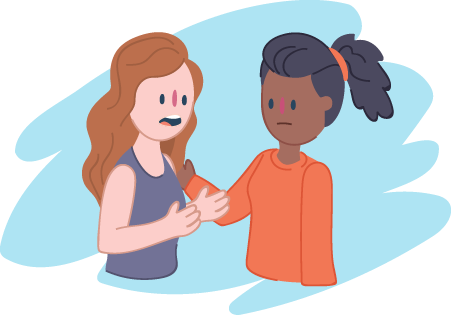
Be open and honest with trusted friends
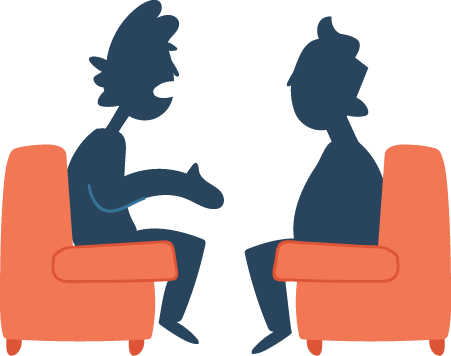
Talk to your parents, siblings or extended family

Let a trusted teacher or school counsellor know how you feel
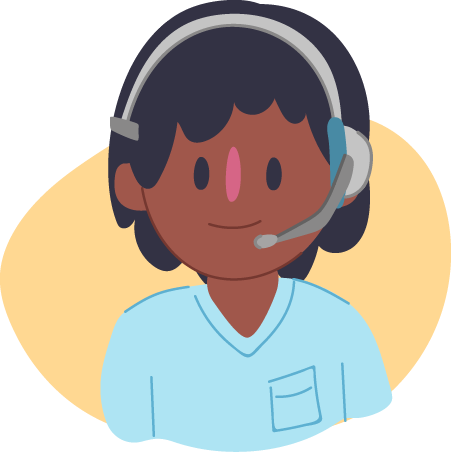
Contact Kids Helpline and talk to a counsellor
"It's important to remember that you are not to blame for anyone's decisions, so try to let go of shame and blame."- Belle, KHL Counsellor


This content was last reviewed